Bus Driving License Requirements You Need To Know
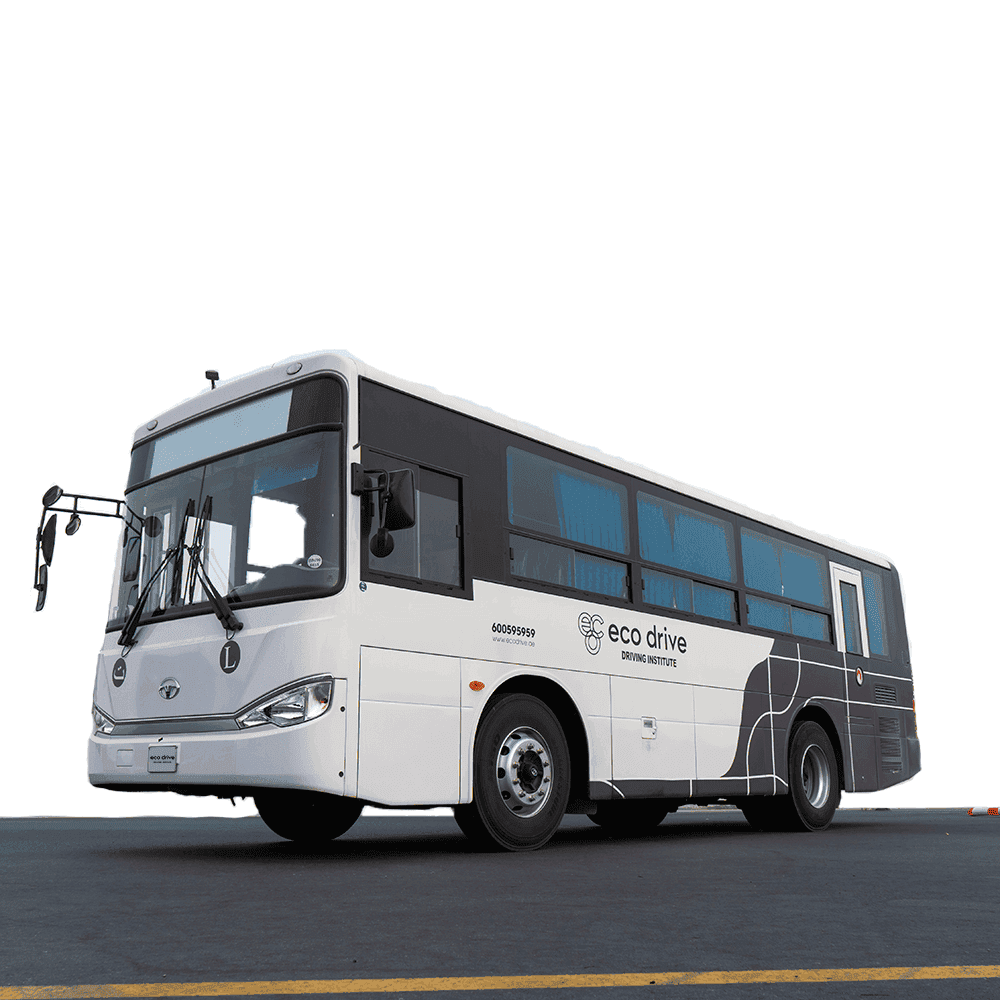
Operating a bus carries significant responsibility, offering a stable career path with community impact. The process to secure the proper credentials involves specific steps and standards designed to ensure safety and proficiency. Having knowledge of these prerequisites is the first move toward a professional role behind the wheel.
This article outlines the common requirements for a Dubai bus driving license.
Foundational prerequisites
Before specialized training begins, candidates must meet basic criteria. A valid standard driver’s license for personal vehicles is universally mandatory. Applicants typically need a clean driving record, with specific limits on violations like major speeding infractions or DUIs. A minimum age, often 21 for interstate routes, is standard. Proof of legal right to work and a high school diploma or equivalent are also common expectations.
Medical and background checks
Given the responsibility for passenger safety, health standards are rigorous. A Department of Transportation (DOT) physical exam is mandatory. This assesses vision, hearing, blood pressure, and overall physical fitness to handle the demands of the job. A drug screening and continuous participation in a random testing program are required. A thorough background check, examining criminal history and driving records, is also a standard part of the application process.
Specialized knowledge testing
Securing a license involves passing written exams that go beyond standard driving rules. These tests cover federal and state safety regulations, procedures for safe vehicle operation, and hours of service laws that govern driver shifts to prevent fatigue. Knowledge specific to passenger management, loading, and emergency protocols is also tested, ensuring a driver understands both operational and duty of care principles.
Skills and road evaluation
The final, practical step is a comprehensive behind the wheel examination. This is conducted in the same class of vehicle you intend to drive. An examiner will evaluate pre trip inspection skills, basic vehicle control, on road driving performance, and the ability to execute specific maneuvers like alley docking or passenger stop procedures. Successfully demonstrating these competencies confirms you can safely operate a commercial passenger vehicle.
Pursuing this credential opens doors to a respected profession. While requirements can vary by jurisdiction, this framework provides a clear roadmap. By meeting these health, knowledge, and skill standards, you prepare yourself to transport passengers safely and professionally, building a career founded on trust and skill.